
The Menopause Symptom Nobody Mentions
(And What Actually Helps)
If you've been quietly dealing with vaginal dryness and told yourself to just live with it — this is the page nobody wrote for you. Until now.
See If Interlude Is Right for You →
You deserve answers — not just “just use lube.”
You might not have said it out loud. Maybe not even to your doctor.
There's a dryness that crept in sometime around perimenopause — a discomfort that made intimacy something you started quietly avoiding. A rawness that makes some days just uncomfortable, for no reason anyone can see.
If you mentioned it at all, you were probably handed a pamphlet about lubricant and sent on your way. As though this was just something women learn to manage. As though nothing more could be done.
But here's the thing most women don't know: vaginal dryness isn't just an inconvenience. It's a progressive condition — and it actually gets worse the longer it goes untreated. Unlike hot flashes, which often ease off over time, the tissue changes behind vaginal dryness tend to deepen without intervention.
And there's a real, targeted solution. It's been available for decades. It's gentle, it's local, it's nothing like systemic HRT — and most women have never heard of it.
of postmenopausal women experience vaginal dryness — but the vast majority suffer in silence, not knowing that effective treatment exists and is well within reach.
It Has a Name — and a Reason
The condition behind vaginal dryness, discomfort, and urinary changes in menopause has a clinical name: Genitourinary Syndrome of Menopause, or GSM. It's an umbrella term for the changes that happen to vaginal and urinary tissue when oestrogen levels decline.
Here's the part that matters: oestrogen isn't just a reproductive hormone. The tissues of the vagina, vulva, and bladder are deeply oestrogen-dependent. When oestrogen drops — as it does throughout perimenopause and beyond — these tissues gradually thin, lose elasticity, and produce less natural moisture.
The result is a range of symptoms that can include:
“Lube treats the moment. It doesn't treat the cause.”
Why OTC Creams and Moisturisers Fall Short
Over-the-counter vaginal moisturisers and lubricants absolutely have their place — they can provide real short-term comfort. But they work on the surface. They don't address what's actually happening in the tissue.
GSM is a tissue-level change driven by oestrogen decline. OTC products can soften and temporarily hydrate, but they can't reverse thinning, restore elasticity, or help the tissue produce its own natural moisture again. That requires something that works at the source of the change.
This is where low-dose vaginal oestrogen comes in. And where Interlude makes it genuinely accessible — without an awkward conversation in a crowded GP waiting room.
A Prescription That Comes to You
Interlude is an online prescription telehealth service, staffed by board-certified OB/GYNs who specialise in women's vaginal and urinary health. They assess your symptoms, write a real prescription, and your treatment ships directly to your door — in discreet, unmarked packaging.
Their primary treatment is low-dose vaginal oestrogen cream — a formulation that has been used safely for decades and is recommended by major menopause organisations worldwide. It works directly on the vaginal tissue, helping to restore moisture, elasticity, and pH balance over time.
No waiting room. No referral needed. No awkward pause while a doctor looks for the leaflet. Just a simple online consultation, a prescription written by a real doctor, and treatment delivered privately to your home.
The tissue changes of GSM don't have to be permanent. With the right treatment, most women see meaningful improvement within weeks.
Interlude also accepts HSA and FSA payments — which means if you have a health savings account, this qualifies. And refills ship every 2–4 months, so once you're set up, it's genuinely hands-off.
This Is Not the HRT You're Worried About
If the word “oestrogen” made you hesitate — that's completely understandable. Here's what most women don't know, and what makes all the difference.
Systemic HRT
- Enters the bloodstream throughout the body
- Affects multiple systems — bones, heart, brain
- Raises systemic oestrogen levels measurably
- Subject to the risks discussed in early 2000s studies
- Requires careful consideration for women with certain histories
Local Vaginal Oestrogen (Interlude)
- Applied directly to vaginal tissue — stays local
- Minimal systemic absorption at low doses
- Does not meaningfully raise blood oestrogen levels
- Generally considered safe even for women who cannot take systemic HRT
- Recommended by major menopause specialist bodies worldwide
The early research that scared so many women off hormones was about systemic, oral HRT. Low-dose vaginal oestrogen is a different category — and decades of evidence support its safety profile.
Three Steps. Done from Your Sofa.
The whole process is designed to be private, simple, and quick. Here's what happens:
Complete a short online consultation
Answer a brief health questionnaire from your phone or laptop — your symptoms, health history, any medications. No video call required. A board-certified OB/GYN reviews your responses, usually within a business day.
Your prescription is written and filled
If appropriate for you, the doctor writes your prescription and it's sent to their pharmacy partner for compounding and preparation. You pay the one-time $45 consultation fee — which includes your prescription, up to a year of refills, and direct messaging access to your doctor.
It arrives at your door, discreetly
Your treatment ships in plain, unmarked packaging with free delivery. There's nothing on the outside to indicate what's inside. Refills ship automatically every 2–4 months — you don't have to think about it again.
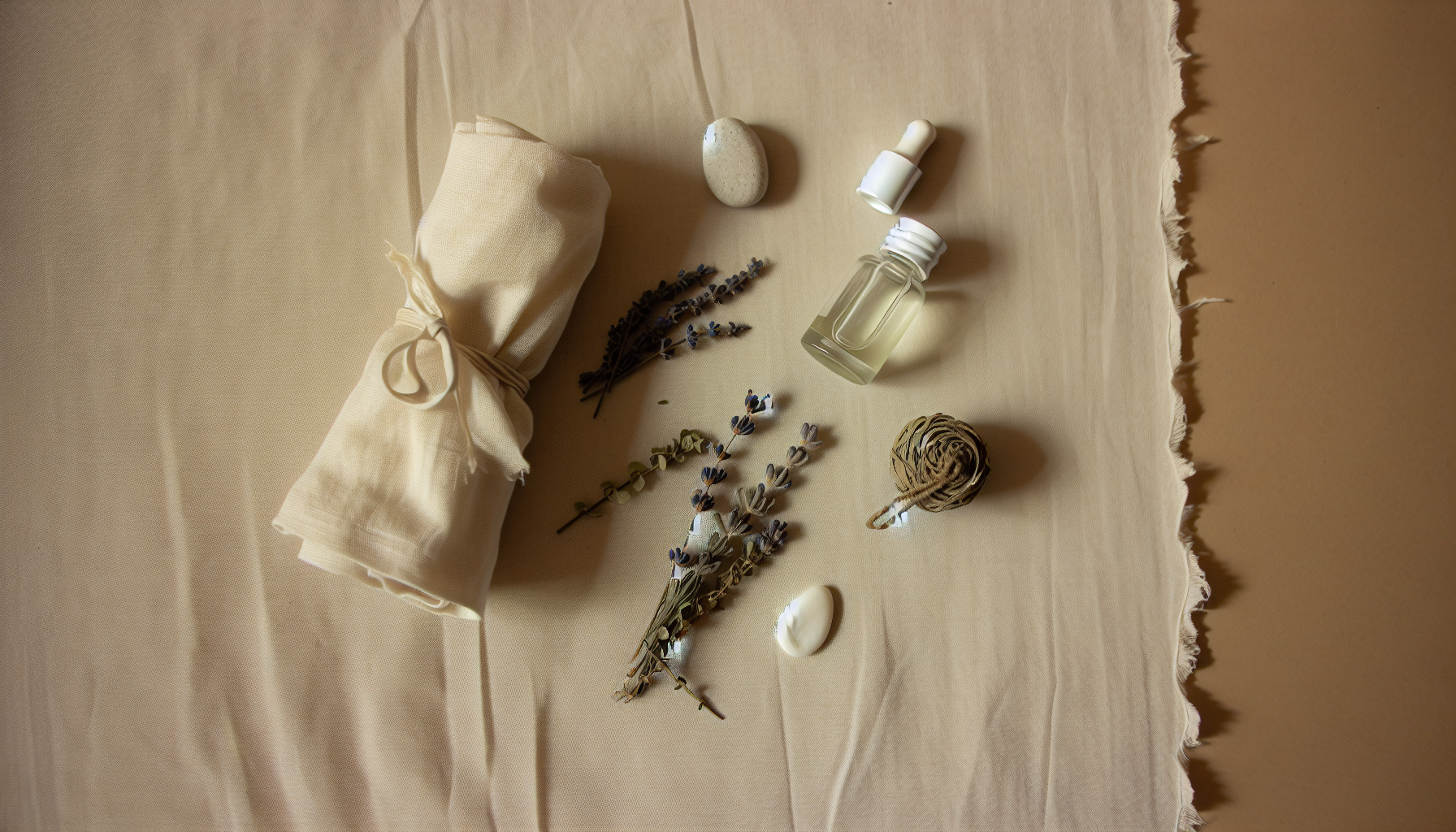
Private. Simple. Delivered to your door.
Transparent Pricing — No Surprises
Here's exactly what you pay. No hidden subscription, no confusing tiers.
Is Interlude Right for You?
Interlude tends to be a good fit for women who recognise themselves in one or more of these:
You're dealing with vaginal dryness or discomfortWhether it's day-to-day irritation or pain during intimacy — if this is affecting your quality of life, that's reason enough.
You're hesitant about systemic HRTYou've read the headlines, you're not sure it's right for you — and you want something gentler and more localised.
Your GP brushed this offYou mentioned it, got told it's normal, and left feeling like you should just put up with it. You deserve a specialist who takes this seriously.
You'd prefer to deal with this privatelyYou don't want to discuss this in a waiting room or with a GP you see for everything else. Online, discreet, and on your terms.
OTC options haven't been enoughYou've tried moisturisers and they help a little, but you know something more targeted is needed.
You have an HSA or FSAInterlude qualifies — which means you can use pre-tax dollars and reduce your out-of-pocket cost even further.
Your Questions, Answered Honestly
The things you'd Google at 11pm — answered here.
You've Waited Long Enough
This symptom is common. It has a name. And there's a real, safe, targeted treatment that most women don't know exists. You don't have to white-knuckle through it or settle for “just use lube.”
A five-minute online consultation with a real OB/GYN could be the thing you've been waiting to do for years.
Start Your Consultation — $45 One-Time →Hormone Harmony HQ is a reader-supported site. If you purchase through our link, we may earn a small commission at no extra cost to you. We only recommend products and services we'd genuinely point a friend toward.